Miniaturize assays
Run the same assay using far less antibody, enzyme, or substrate per condition.
Assemble complex experiments using 10–25 nL dispenses at 20 Hz, with reagent-specific calibration and onboard imaging that confirms droplet formation and volume before printing a plate.
LabCraft Plex prints nanoliter droplets with calibration and imaging verification built into the workflow — so you can miniaturize assays and scale condition coverage with confidence.
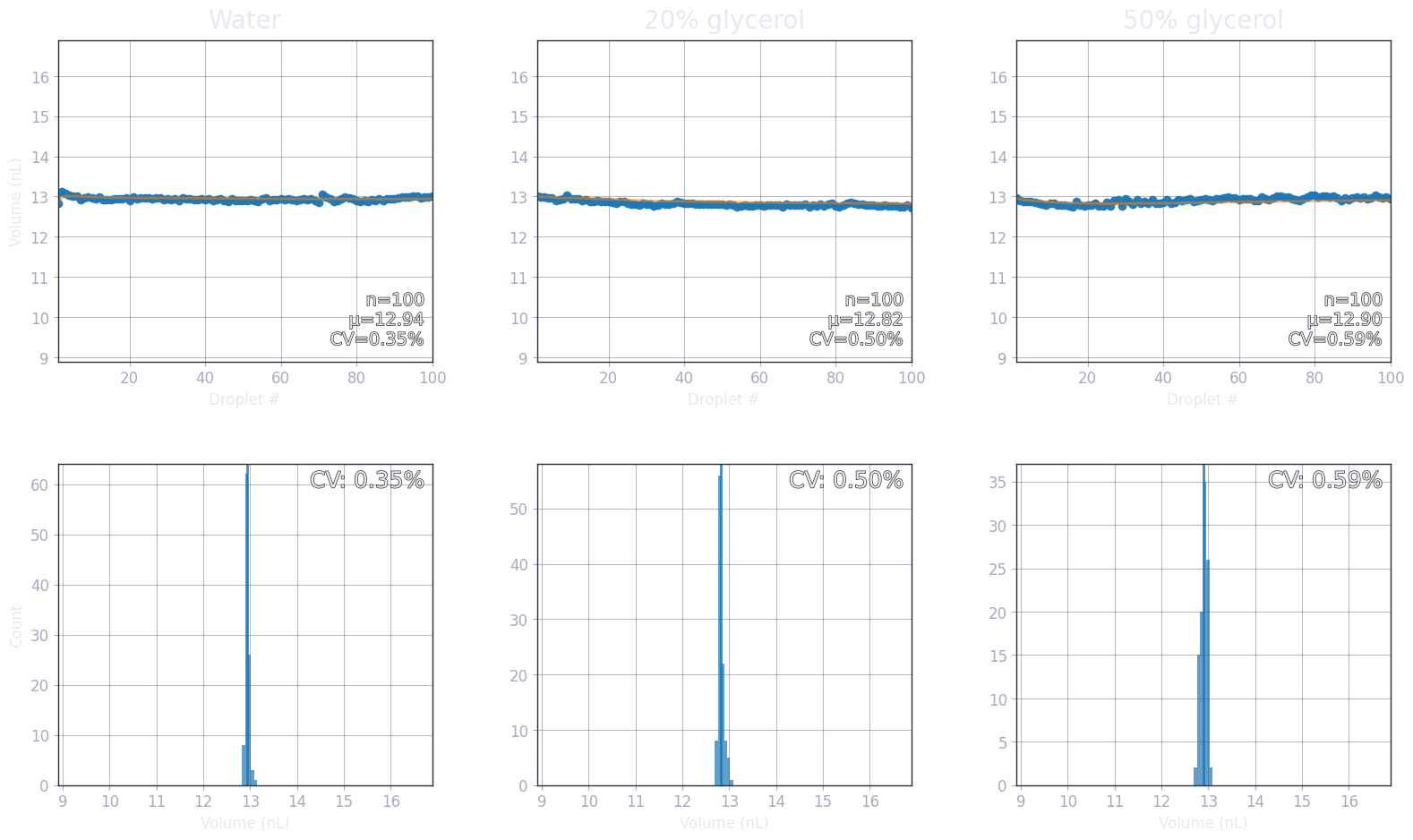
Performance depends on reagent properties and configuration; calibration quantifies stability before a print.
The LabCraft Plex uses precisely timed pressure pulses to eject droplets from a nozzle. During calibration, onboard imaging verifies formation and volume before printing.
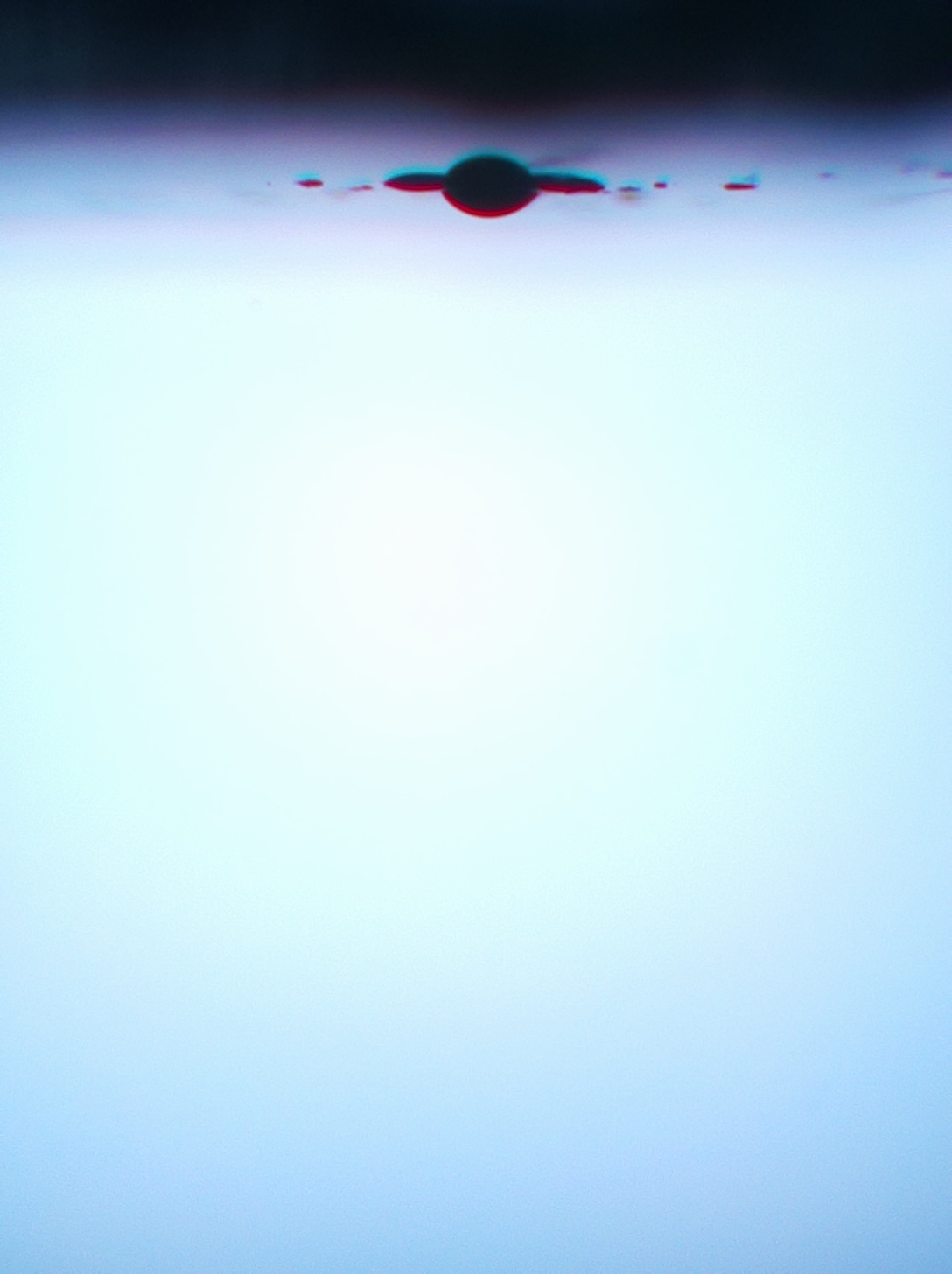
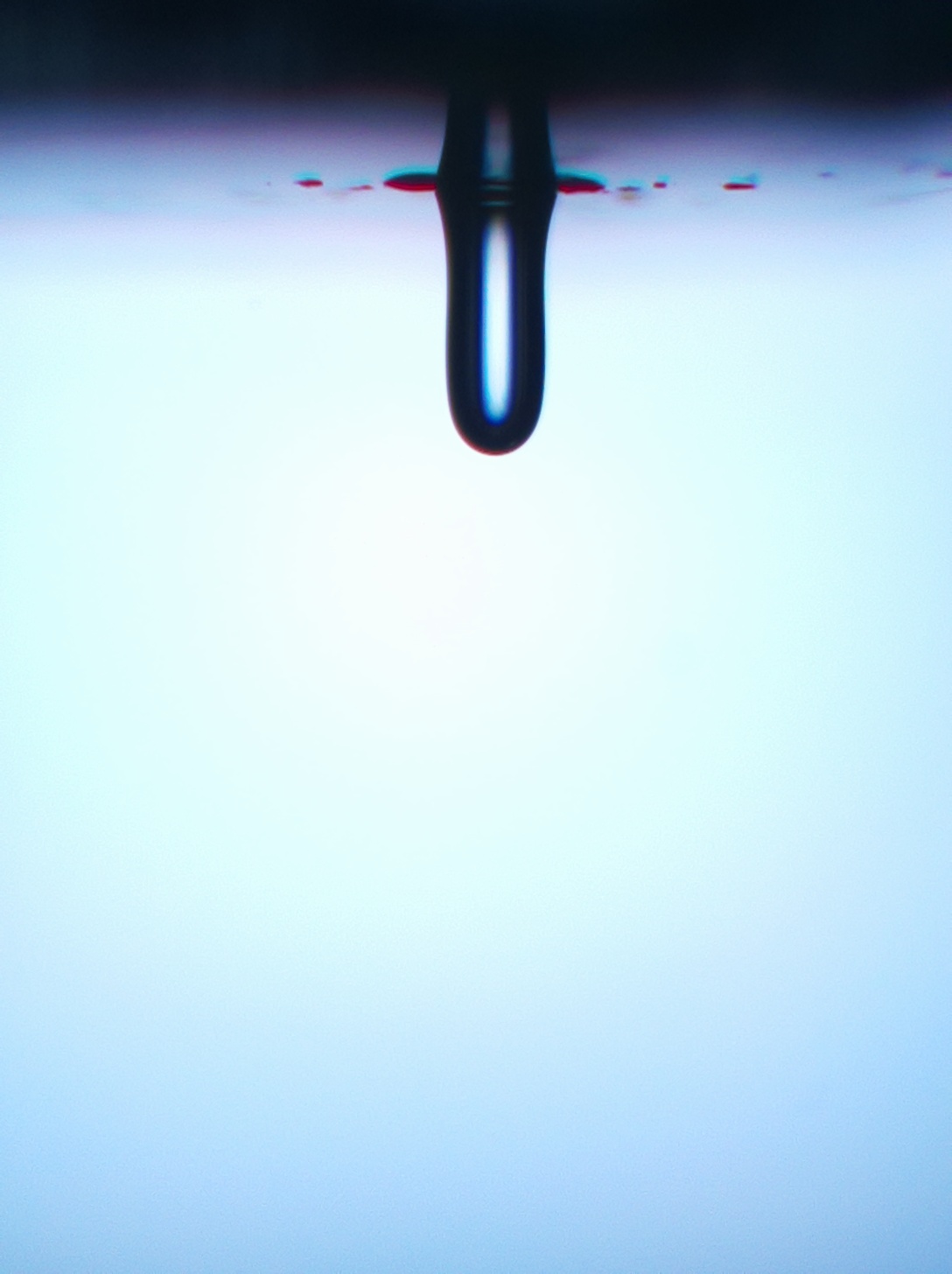
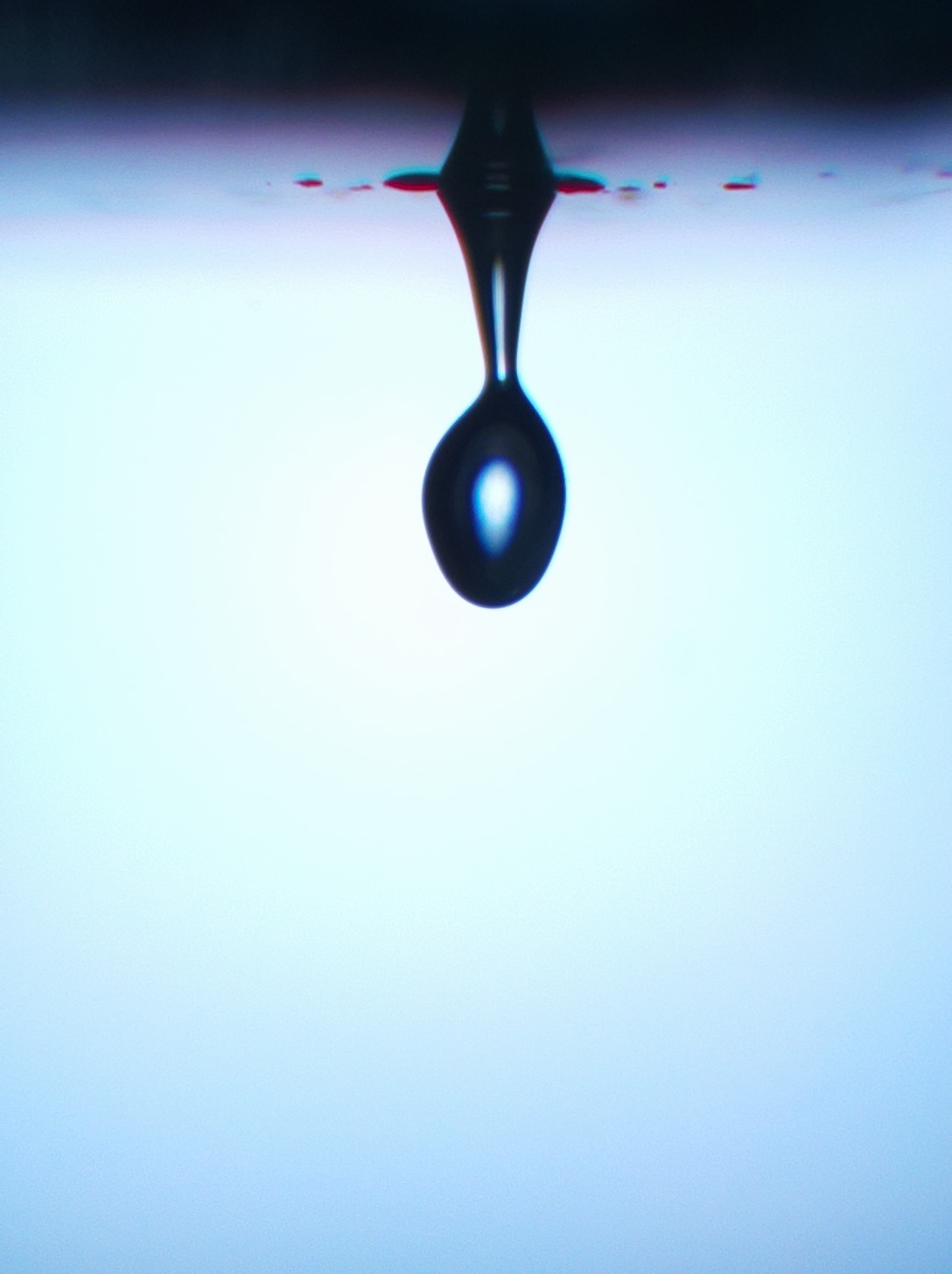
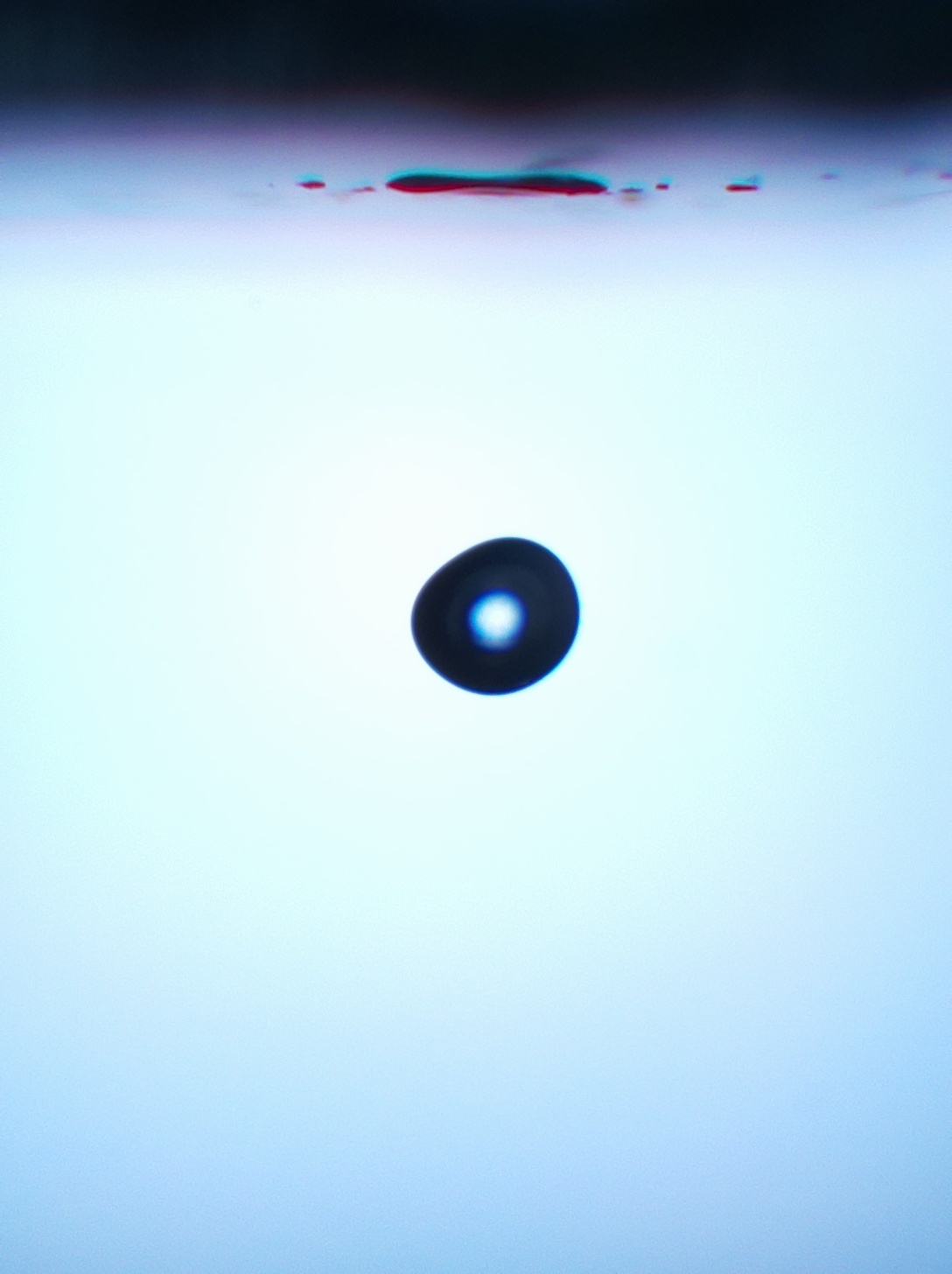
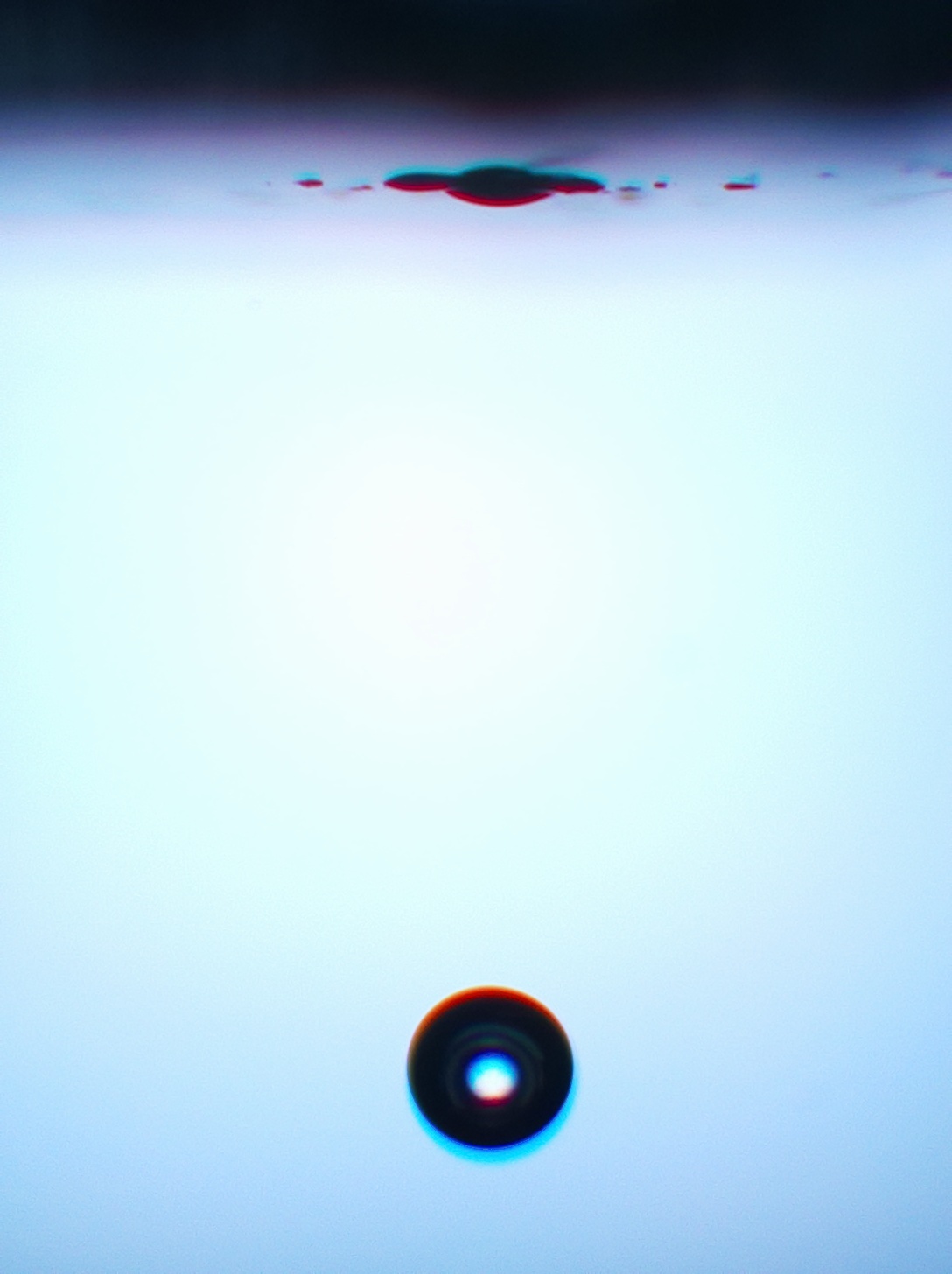
Reagents vary widely. Calibration tunes pulse timing to reach stable volume and clean ejection.
The onboard microscope quantifies droplet volume and flags instability before a run starts.
The system adapts by calibrating per reagent and confirming performance with imaging — so results are predictable and repeatable.
When assembly is fast and low-volume, larger condition spaces become practical.
Run the same assay using far less antibody, enzyme, or substrate per condition.
Explore gradients, combinations, and DOE-style layouts directly in plates.
Eliminate tips to cut consumable cost, plastic waste, and contamination risk.
Share your assay and plate format — we’ll recommend a strong first validation experiment and outline expected reagent savings and condition coverage.